on dry farming
osu water use of veg
gardening in drought tips
story about wine grapes in SB county from KCBX
NPR story about SB water use, and one from Shankar Vedantam about water
California report:
11 May about water rights
12 May about Imperial Valley Ag
NPR - SF ugly yard contest

Lizzy welcomes you to the garden

Tuesday, May 12, 2015

Friday, May 8, 2015


Friday, April 10, 2015
NYT: water usage of cities in California
Super interesting
Goleta is doing pretty well. Efficiently using water in the garden is definitely something we will be focusing on this season.
Goleta is doing pretty well. Efficiently using water in the garden is definitely something we will be focusing on this season.
Thursday, January 15, 2015
Weeds in the garden: mid-winter 2015
Ever wondered what some of the weedy plants are that are growing in the garden, and maybe even in your plot? We try to point out the good and bad ones when we first give a plot away, but seasons change. Here are some recent pics of what's growing in the garden in January 2015. Also, UC Davis has a great weed identifier tool.
Awful
bermuda grass (dig out every little piece, it resprouts readily. also, this is the only weed not to compost unless you let it dry out for a couple of months till it's brown and very dead).

 thistle (spiny, so pull with leather gloves or cut the top off with a stirrup hoe)

 fennel (DEEP tap root, probably more realistic to keep adults in check than dig out, little ones should definitely be pulled)

 english ivy (pull the vines, and also dig out the underground rhizome)


 wild radish (not sure about edibility)


black mustard (not too much is up right now, but it gets bad in the spring)

rag weed (supposedly [take what Frank says with a grain of salt] you can grab a bunch of it and use it to clean your dishes, hence the 'rag'. otherwise pull repeatedly, the stuff is tenacious
 prickly lettuce
(no pic yet)
bristly oxtongue

oxalis - creeping wood sorrel
(no pic yet)
oxalis - bermuda buttercup (these grow from 'corms' in the soil. you have to pull them repeatedly until they eventually stop coming up. moving soil that these plants are in will spread them further. you can chew the fleshy stalk that the yellow flowers grow on if you feel the need for some sourness)

 stinging nettle (seems to be new to the garden, very invasive so we have to pull it when we see it; you can eat them - you boil them first which removes the stingers, then steam or saute, i think)

coyote brush (native plant, good in wild areas, not in the garden - super deep roots)


Mirabilis, 4 o'clock, establishing in the orchard area, seems aggressive/invasive. Has extremely large tubers about a foot down when established, so better to eradicate it before it gets happy
 Hairy Rock Cress (arabis) (i think) could also be sweet alyssum

Meh
purslane (summer weed; edible - lemony, not that difficult to control)

lamb's quarter / goosefoot (edible, but not that tasty, fairly easy to control, but worth pulling)


Good
swiss chard (there's lots of volunteer chard in and around the garden, cook it and eat it!)

 rhubarb (there's some around the greenhouse)

rosemary (use it! our plant is huge)

arugula (readily self-seeds and comes up as a volunteer)

miscellaneous bulbs (pretty, not invasive)


nasturtium (pretty edible flowers; looks a bit like cheeseweed when both are young)

gopher purge (makes gophers sick if they eat the roots)
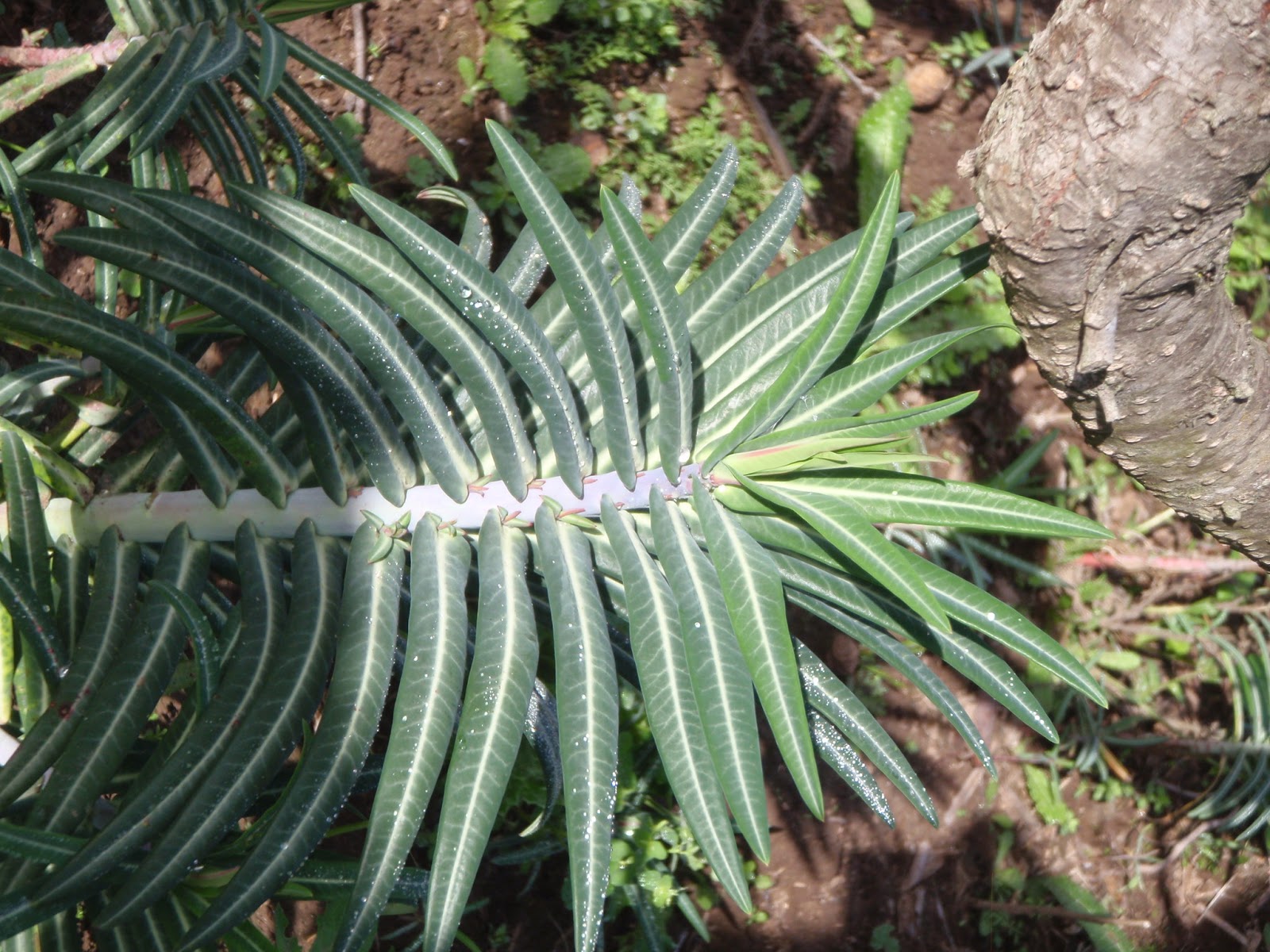

coastal california poppy (different from the more famous orange california poppy, more tolerant of our cool, foggy conditions)


 this is the orange, inland variety. these get pulled so as to not cross-polinate with the coastal

Awful
bermuda grass (dig out every little piece, it resprouts readily. also, this is the only weed not to compost unless you let it dry out for a couple of months till it's brown and very dead).
Bad (I pull these whenever I can; compost them if they don't have seeds, haul to the green waste dumpster if they do)
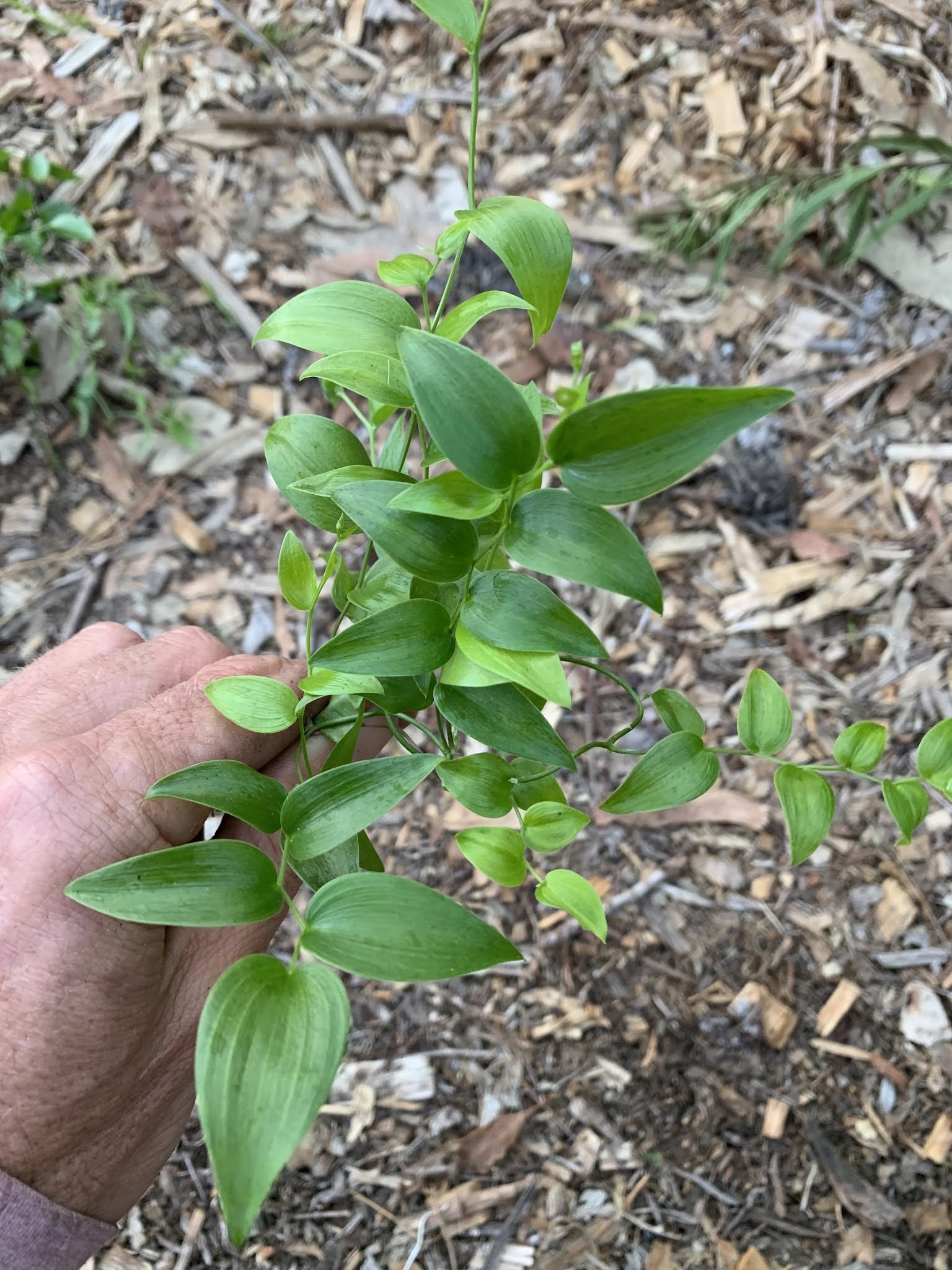
asparagus asparagoides, a vining plant with an underground tuber, invasive, spread by birds, dig it out. First photo is from Watne/CCBER, other 2 are from CAL-IPC showing what can happen if it gets bad! DON'T COMPOST THIS ONE EITHER, BAG IT UP AND PLACE IN TRASH


cheeseweed / mallow (the seeds remain viable for a long time, so pull it before it gets big. it has a long tap root so you may have to dig it out. the leaves are edible, you cook them like spinach)
black mustard (not too much is up right now, but it gets bad in the spring)
rag weed (supposedly [take what Frank says with a grain of salt] you can grab a bunch of it and use it to clean your dishes, hence the 'rag'. otherwise pull repeatedly, the stuff is tenacious
(no pic yet)
bristly oxtongue
oxalis - creeping wood sorrel
(no pic yet)
oxalis - bermuda buttercup (these grow from 'corms' in the soil. you have to pull them repeatedly until they eventually stop coming up. moving soil that these plants are in will spread them further. you can chew the fleshy stalk that the yellow flowers grow on if you feel the need for some sourness)
coyote brush (native plant, good in wild areas, not in the garden - super deep roots)
Mirabilis, 4 o'clock, establishing in the orchard area, seems aggressive/invasive. Has extremely large tubers about a foot down when established, so better to eradicate it before it gets happy
Meh
purslane (summer weed; edible - lemony, not that difficult to control)
lamb's quarter / goosefoot (edible, but not that tasty, fairly easy to control, but worth pulling)
Good
swiss chard (there's lots of volunteer chard in and around the garden, cook it and eat it!)
rosemary (use it! our plant is huge)
arugula (readily self-seeds and comes up as a volunteer)
miscellaneous bulbs (pretty, not invasive)
nasturtium (pretty edible flowers; looks a bit like cheeseweed when both are young)
gopher purge (makes gophers sick if they eat the roots)
coastal california poppy (different from the more famous orange california poppy, more tolerant of our cool, foggy conditions)
Friday, August 29, 2014
Bioneers
A friend of mine got an email from these guys about a conference, academics get lots of these borderline spam invites, but this seems pretty cool. Here is their spiel:
This award-winning 13-part series of half-hour shows features the “bioneers” – social and scientific innovators with breakthrough solutions for people and planet. Cutting edge – charismatic – provocative – hopeful. These are the ardent voices of our most brilliant visionaries with both feet on the ground. They span the rich arc of human endeavor and practical transformation toward a future environment of hope.
Solutions for people and planet... hopeful... feet on the ground... sounds like community gardening!
Bioneers Radio.
Here are a few I found intriguing that have to do with community, food, and farms.
http://media.bioneers.org/Thursday, July 31, 2014

Tuesday, July 29, 2014
Garden 28-29 July 2014

Cosmos, Sara's plot


Sunflower to be

Lizzy girl action


tidied and pruned front orchard


almond tree looking spiffy


Subscribe to:
Posts (Atom)